October 01, 2026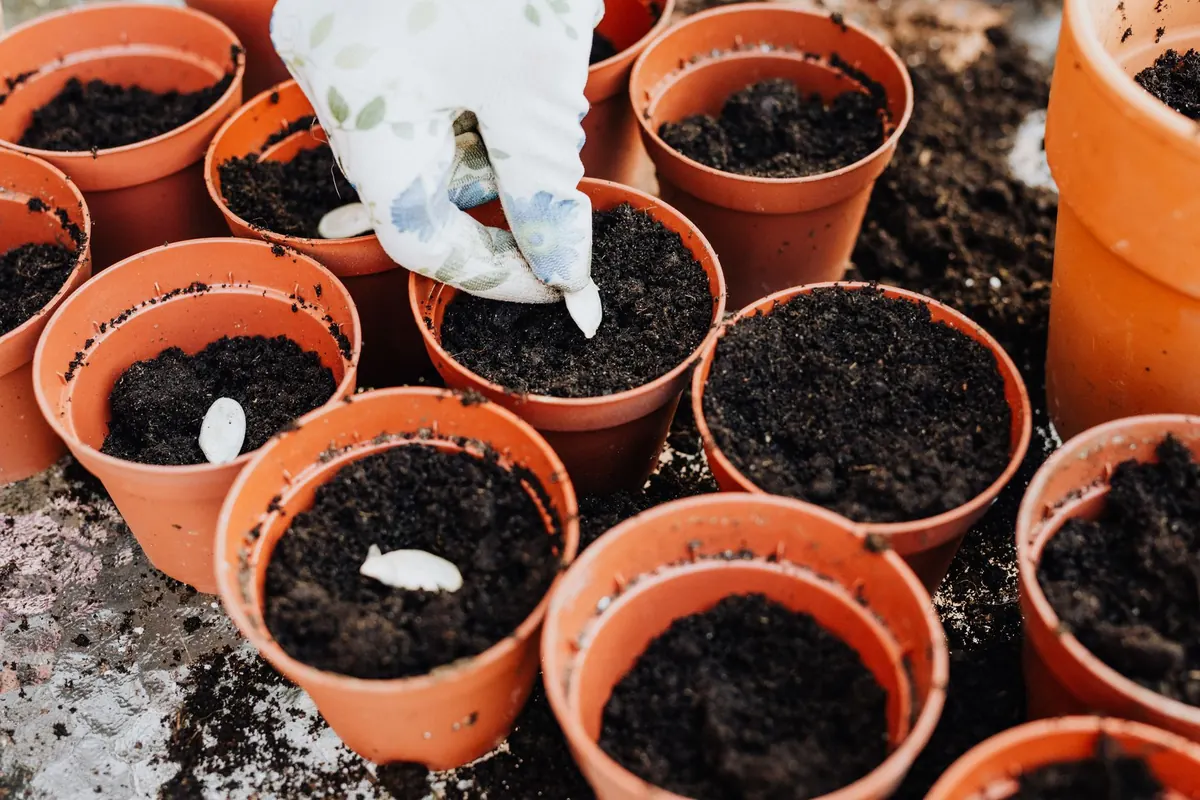
By July the garden is at its most generous. Courgettes are swelling, the first tomatoes are colouring up, and there is hardly a bare patch of soil to be seen. It is also the point in the year when most of us stop sowing. That is a waste. The soil is at its warmest, germination takes days rather than weeks, and the crops you sow now will fill the awkward gap between the last of the summer beans and the first of the winter brassicas.
Get the timing right and you will be lifting sweet baby turnips in September, pulling crisp radishes through October, and cutting spinach and salad leaves right up to the first proper frosts. The main thing to remember is that growth slows as the light fades, so a crop that took eight weeks in spring may take twelve from midsummer onwards.
Why July sowings pay off
Warm soil is the great advantage. Salad leaves can germinate in three or four days and be ready to cut within a month. Radishes are not far behind. Moisture is the other half of the equation: July sowings fail more often from drying out than from cold, so water the drill before you sow and check seedlings daily for the first fortnight.
Choose varieties bred for autumn instead of the heat-tolerant summer types. You do not need much space, either. A few short rows tucked between fading broad beans, or a handful of seeds scattered in a spare corner of the raised bed, will give you more than you expect.
Salads: cut and come again
Loose-leaf salads are the best value crop of the late season. Rather than waiting for a heart to form, you cut the whole plant a couple of centimetres above the base and it regrows two or three times. Sow in short rows or broadcast in a block, then thin to about 15cm so the leaves have room to open.
- Lettuce: 'Little Gem', 'Salad Bowl', 'Merveille des Quatre Saisons'. For sowings after mid-July, autumn types such as 'Winter Density' and 'Arctic King' cope better with cooling nights.
- Rocket and mizuna: fast, peppery and happy in light shade. Sow every fortnight for a continuous supply.
- Mustard and pak choi: 'Red Giant' mustard adds colour; pak choi is best sown once the worst of the summer heat has passed.
- Corn salad (lamb's lettuce): sow in late July and August for winter pickings — it shrugs off cold that would finish off lettuce.
Keep the rows damp and shade them with a bit of horticultural fleece or an old sheet during any hot spells. Dry soil and high temperatures push lettuce straight up to flower, and once it bolts the leaves turn bitter.
Radishes: the fastest crop in the garden
Nothing else is quite so quick. Summer radishes can be ready three to four weeks from sowing, which means a row sown in the first week of July will be on the plate before August is out. After that, sow small batches every ten days or so rather than one long row, so you are not faced with a glut that turns woody before you can eat it.
'French Breakfast', 'Cherry Belle' and 'Rudi' all do well in late summer. Keep them well watered — dry conditions make them hot and pithy — and thin them to 3cm early, while the roots are still tiny. For something to store, try winter radishes such as 'Black Spanish' or 'China Rose', sown in July and lifted from October onwards.
Spinach, chard and leafy greens
True spinach is a cool-weather plant that sulks in July heat, but sow it now and it comes into its own as the nights draw in. 'Matador' and 'Emilia' are reliable, and 'Giant Winter' is worth a try for a late crop under cover. Sow thinly in shallow drills, keep the soil moist, and start picking outer leaves when plants are about 15cm tall.
If you want something tougher, grow perpetual spinach or leaf beet instead. It is not a true spinach, but it crops for months, stands up to frost and regrows after every cutting. Rainbow chard works the same way and looks good enough to plant among the flowers. Kale sown in July will give you young leaves through autumn and, in most gardens, right through the winter.
Turnips for September and October
Turnips are quick, undemanding and unfairly overlooked. By July, maincrop types may struggle in dry soil, so stick to the fast-maturing ones. 'Tokyo Cross' is the classic choice and can be pulled as baby roots in around six to eight weeks; 'Snowball' is similarly speedy at that size.
Sow in rows 30cm apart, thin seedlings in stages to 5cm for baby roots and 15cm for larger ones, and water regularly. Thinnings are a bonus — treat them like mustard greens and add them to a salad. Swede needs a longer season, so if you garden in the north, early July is about the last sensible moment to sow it for an October crop.
Sowing, watering and pest protection
A little care at sowing time saves a lot of trouble later. Work through these steps and most July sowings will come good:
- Clear the ground of old crops and weeds, then fork it over to a fine tilth, removing stones and lumps.
- Water the bed thoroughly the day before sowing. Do not add fresh manure — it encourages leafy growth at the expense of roots.
- Draw shallow drills, about 1cm deep for salads and radishes and 2cm for turnips and spinach.
- Sow thinly. It feels wrong, but crowded seedlings are weak seedlings.
- Cover, firm gently with the back of a rake, and water with a fine rose.
- Label the row with the variety and the date. Come August you will not remember which is which.
After that, it is mostly about water and pests. Water in the morning if you can, and mulch between rows with grass clippings or compost to hold moisture. Hoe regularly — flea beetle, which riddles radish and turnip leaves with tiny holes, is worse on dry, dusty ground. Net brassicas against pigeons and cabbage white butterflies, and deal with slugs early. If you use pellets, choose a brand that is safe for pets and wildlife and follow the label.
Sow small amounts often. Three short rows a fortnight apart will feed you better than one long row sown in a single afternoon.
Your plan for the next few weeks
Start with what you will actually eat. One short row of radishes, a block of cut-and-come-again salad, a couple of metres of spinach and a row of turnips is a realistic July sowing for most plots — and it is far more than it sounds once everything is cropping.
Sow the first batch in the first week of July, then repeat the salads and radishes every ten to fourteen days until the middle of August. If you have a cold frame, cloche or unheated greenhouse, add a later sowing of spinach and corn salad for picking into the new year. In most of the UK the first frosts arrive somewhere between mid-October and late November, earlier inland and further north, so anything that needs to finish should be in the ground by the end of July.
Keep harvesting hard, too. Regular cutting keeps salad leaves young and stops spinach running to seed. And leave a few turnips in the ground a little longer than you think — cold nights sweeten them, and they will sit happily until you need them.