September 26, 2026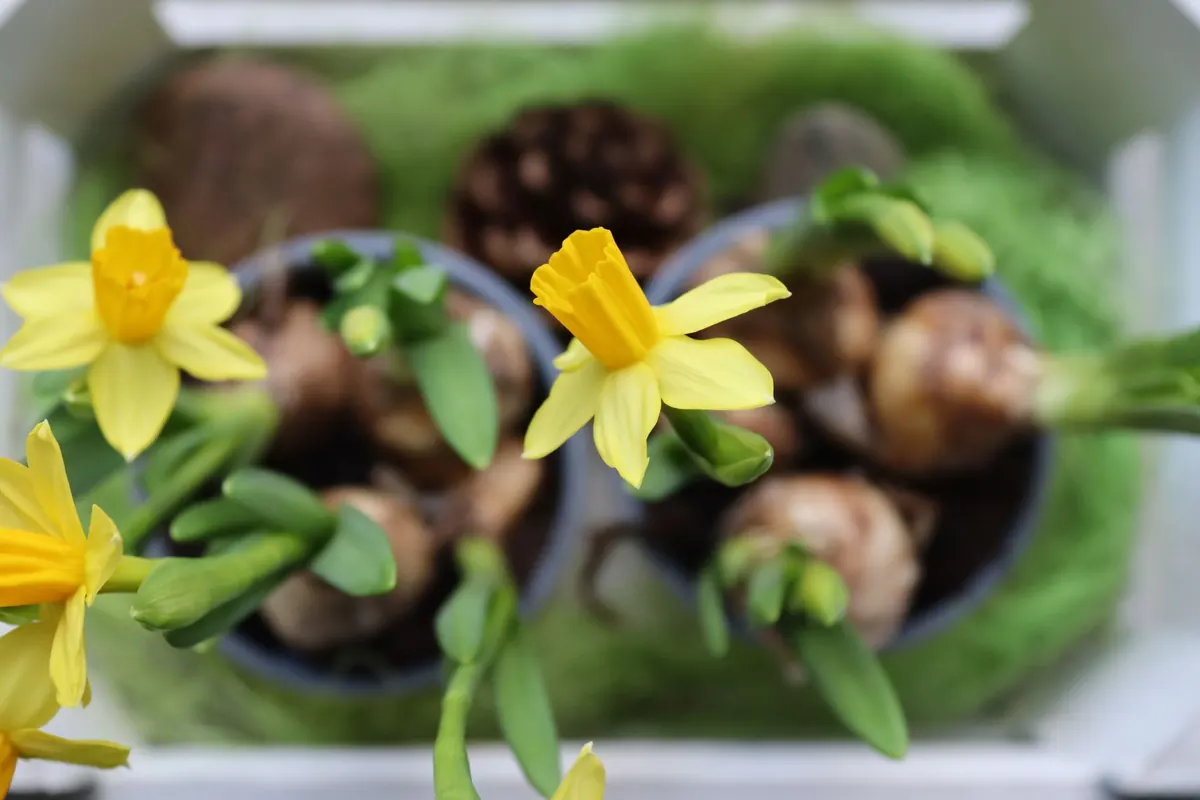
There is a particular disappointment that comes with spring containers. You plant a dozen daffodils in October, they flower for a fortnight, and then you are left with a pot of yellowing leaves and a lot of empty compost. A bulb lasagne solves that problem neatly. By stacking different bulbs at different depths in the same container, you get crocuses in February, daffodils in March and tulips carrying on into May — all from one pot on the patio.
Why layering works
All bulbs are planted at roughly two to three times their own height, which is why they can share a pot without competing for the same space. A fat daffodil bulb needs 15cm or more of compost above it. A small crocus corm needs about 5cm. That difference is the whole trick: the bottom of the pot belongs to the biggest bulbs, the top few centimetres to the smallest.
Because the bulbs are at different depths, they also come into growth at slightly different times, which spreads the display rather than cramming it into three weeks. Deeper planting tends to delay flowering a little, so the layering itself helps stretch the season.
Think of it as a sandwich: big bulbs at the bottom, medium in the middle, small ones on top, with a layer of compost between each.
Choosing bulbs for each layer
Bottom layer: daffodils
Narcissus are the workhorses. Choose compact varieties rather than tall exhibition types, because a pot is a windy place in March. Narcissus 'Tête-à-Tête' is short, sturdy and flowers early; 'Thalia' is taller but elegant and scented. Space them so they are close but not touching — you can fit perhaps six to nine in a 30cm pot.
Middle layer: tulips
Tulips sit above the daffodils and flower a few weeks later. 'Purissima' is a soft creamy white, 'Ballerina' is a graceful orange lily-flowered type, and 'Spring Green' has a viridian stripe that mixes well with almost anything. Tulips are the bulbs most likely to sulk in a pot, so buy firm, unblemished ones and plant them in November if you can — later planting reduces the risk of tulip fire, a fungal problem that thrives in warm, damp autumn weather.
Top layer: crocuses and small extras
Crocus corms go in the top 5cm. 'Ruby Giant' and 'Cream Beauty' are reliable and generous. You can also slip in muscari, dwarf iris or anemone blanda for extra interest. These are the first to appear, often pushing through a late frost without any fuss.
The right pot and compost
Size matters more than style. Aim for a container at least 30cm across and 30–40cm deep; a deep pot holds more compost, dries out more slowly and gives the bottom layer proper root room. Terracotta looks lovely but dries quickly and can crack in a hard frost, so glazed ceramic or a good-quality plastic pot is often the more practical choice.
Use fresh, peat-free multipurpose compost mixed with a couple of handfuls of horticultural grit, or a soil-based John Innes No 2 if you want a bit more weight and structure. Add a layer of broken crocks or gravel over the drainage holes so the compost does not wash out, and raise the pot on feet so water never sits underneath. Spring bulbs rot in waterlogged compost far more often than they freeze.
Planting, step by step
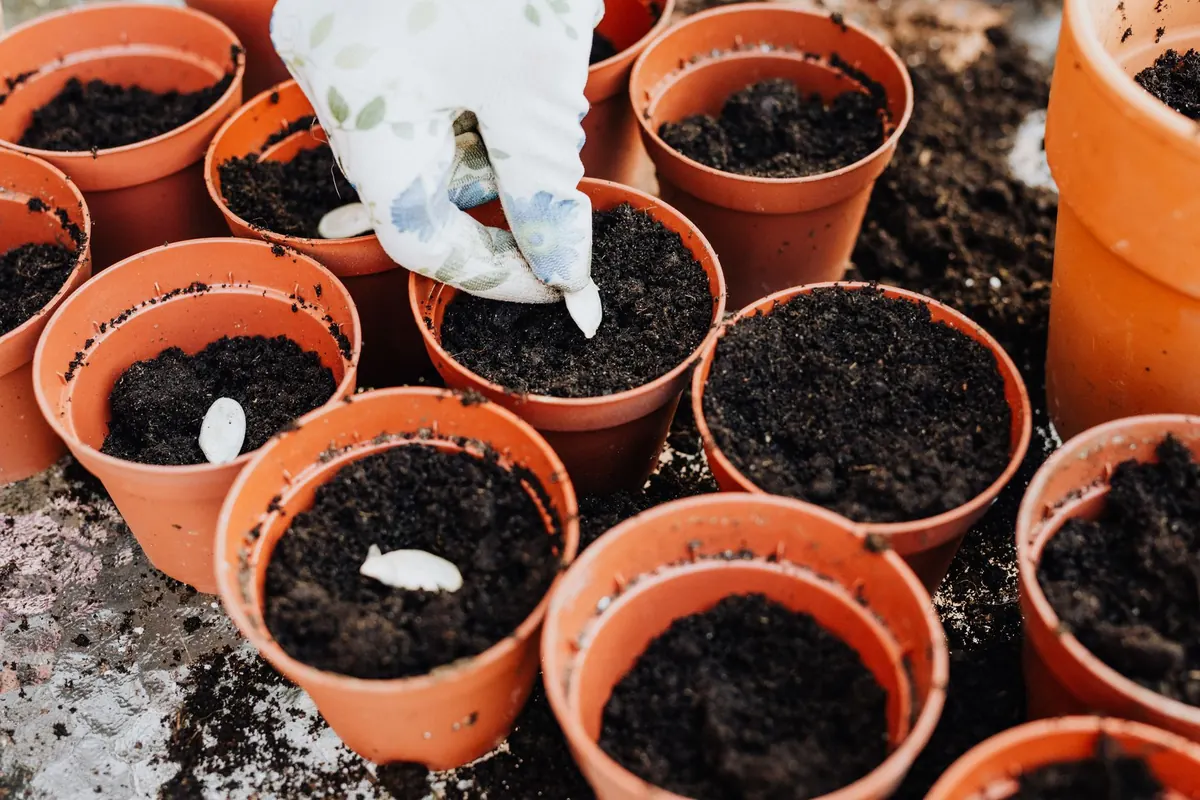
- Fill the bottom of the pot with 5–8cm of compost and firm it lightly.
- Sit the daffodil bulbs on top, pointed ends up, spaced evenly and not touching. Cover with compost until they are buried by about 5cm.
- Add the tulips, again pointed ends up, and cover with another 5cm of compost.
- Place the crocus corms in the top layer, about 5cm deep, and finish filling the pot, leaving a 2cm gap below the rim so you can water without it running straight off.
- Water thoroughly and let the pot drain. Top up the compost in a month or so if it settles.
- Label the pot — by February you will have forgotten what is in there.
Position, watering and pests
Put the pot somewhere sunny and reasonably sheltered, ideally against a wall where the compost is less likely to freeze solid. Over winter, rainwater is usually enough; only water if the compost feels dry well below the surface. Once shoots appear, water more freely and start feeding.
The main nuisance is squirrels, which will dig up freshly planted bulbs out of sheer curiosity. A layer of gravel over the surface helps, as does a piece of wire mesh or netting pegged over the pot until the shoots are up. Slugs and snails will nibble crocus flowers and young tulip leaves, so check the pot on mild evenings. Keep an eye out for vine weevil grubs if bulbs fail to appear.
After the flowers fade
Deadhead as each flower goes over so the plant does not waste energy on seed, but leave the foliage alone. Green leaves are the bulb's solar panel and it needs them for about six weeks after flowering to store energy for next year. Feed fortnightly with a liquid tomato feed during that period, then stop once the leaves have yellowed and can be pulled away easily.
You can leave the bulbs in the pot over summer, but they will do better lifted and stored somewhere cool and dry, or replanted in a border where they have room. In practice, many gardeners treat a lasagne pot as a one-season display and start again with fresh bulbs each autumn — tulips in particular rarely perform as well the second year.
Plant a second pot a month later
The easiest way to guarantee continuous colour is to plant two or three pots in succession: one in late September, another in late October, a third in mid-November. The later pots will flower two or three weeks behind the earlier ones, which means the show rolls on rather than stopping all at once. Keep them in the same spot, water them together, and you will have something worth looking at from the first crocus to the last tulip.
Photo: Kuba Macioszek / Pexels